
Cold Weather Can-Am Riding: Heated Gear, Wind Protection & Battery Care

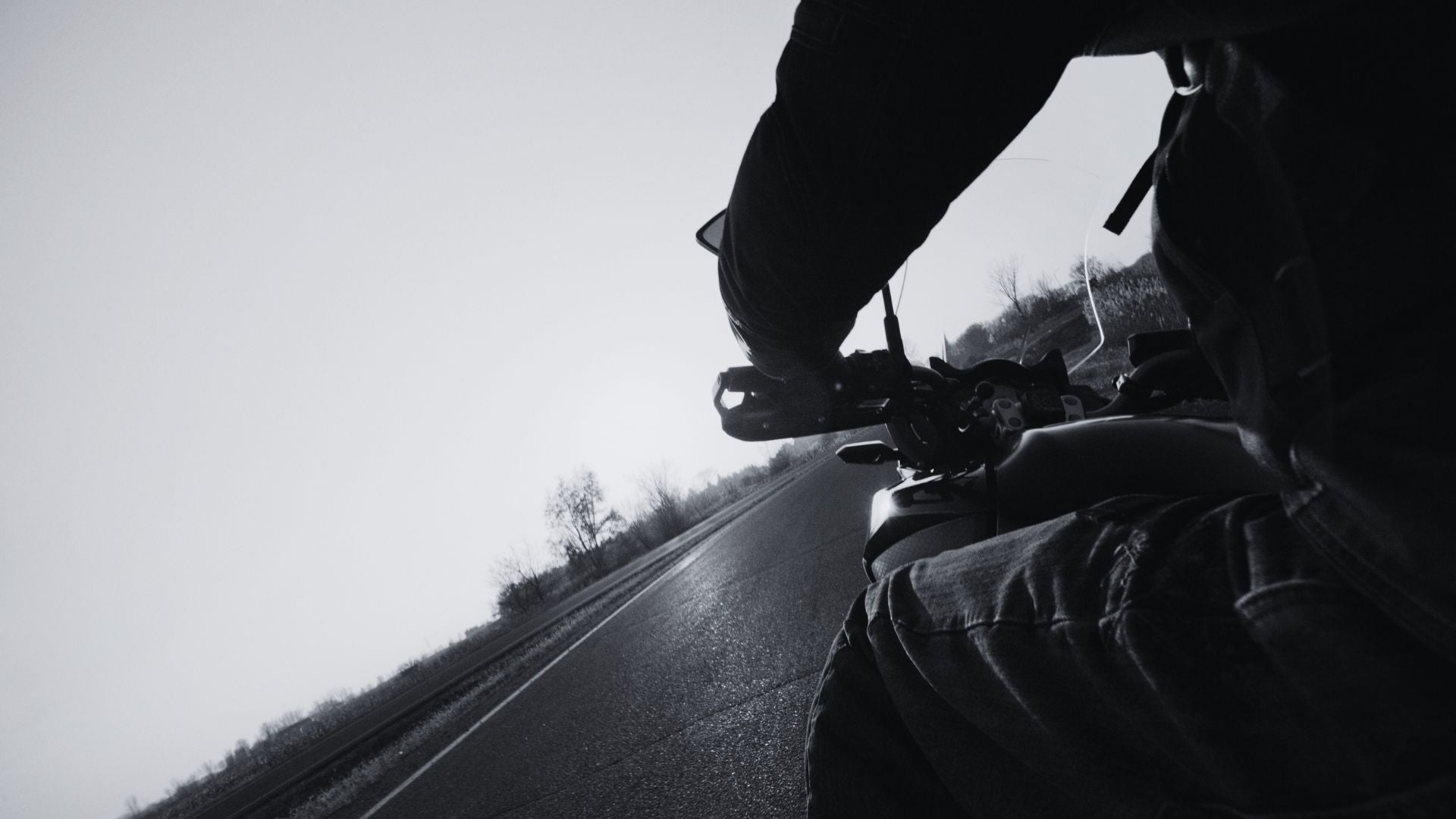
When late autumn rolls across the Midwest and morning frost glazes the garage roof, most machines get tucked under covers until April. That is a mistake. Clear, crisp 40-degree mornings offer some of the cleanest asphalt and quietest riding corridors of the entire year—provided you are not shivering so violently that your reaction times crawl. Cold weather riding is purely a game of thermal physics and electrical capacity. On a three-wheeler, you lack the core body workout that comes with balancing and wrestling a heavy two-wheeler through low-speed maneuvers. You sit in a fixed posture, which means windchill will strip body heat straight through your chest and fingertips if your setup has gaps. Whether Sean is clicking on his heated grips to follow on two wheels or I am settling behind the fairing of my Can-Am Spyder RT, dialing in your cold-weather game turns freezing highway miles into comfortable day-trips.
-
Target Conditions: 32°F to 50°F highway touring and late-season commuting.
-
Core Systems Audited: 12V electrical stator draw, windshield slipstreams, AGM battery resting voltage.
-
Essential Equipment: Heated jacket liner, heated gloves, battery tender lead, synthetic windproof base layers.
-
Critical Safety Rule: Never trust wet, shadowed asphalt beneath overpasses or along tree lines when ambient air dips below 38°F; black ice forms on road infrastructure long before it shows on open ground.
How much heated gear can your Can-Am electrical system handle?
Modern three-wheelers equipped with three-cylinder Rotax powerplants pack serious charging output, but their electrical headroom is not infinite. The magneto-stator on an RT model cranks out roughly 1200 watts at highway cruising speeds. That sounds like massive power on paper, yet you must remember what is already pulling from that pool.
Between dynamic power steering, the cooling fans, high-draw lighting, onboard computers managing the Vehicle Stability System (VSS), and factory seat warmers, the baseline operating load is substantial.
The golden rule of 12V wired gear is knowing your wattage math. A quality heated jacket liner pulls roughly 75 to 90 watts (around 6.5 to 7.5 amps). Add a pair of 12V heated gloves, and you are pulling another 27 to 30 watts. Run two sets of full gear for rider and passenger simultaneously, and you are drawing nearly 250 extra watts directly from the charging loop.
-
Always hardwire your heated gear harness straight to the battery terminals using an inline fuse; never attempt to run high-draw heating elements through a factory 12V accessory port or USB adapter, which will immediately pop the dash circuit.
-
Monitor your dashboard voltmeter. If system voltage drops below 13.2 volts at highway cruising RPMs, your stator is falling behind the combined draw of the machine and your gear.
-
Switch off heated accessories a mile or two before you reach your driveway. This lets the charging system replenish the initial cranking energy the battery gave up during a cold morning start.
For reliable warmth that integrates seamlessly without throwing system codes, the Gerbing 12V Heated Jacket Liner remains the gold standard in the touring world. Utilizing micro-wire heating elements mapped across the chest, back, collar, and sleeves, it delivers immediate, bone-deep heat that plugs straight into the vehicle's electrical circuit through an adjustable dual-temp controller.
How do you optimize cockpit airflow to stop freezing windchill?
Wind protection is your first defensive barrier; heated gear is only there to back it up. If freezing air is allowed to slip behind your neck or hit your inner knees, your heated liner will spend all its energy fighting the slipstream rather than keeping your core warm.
On touring models, windshield height is critical. You want the top edge of the screen positioned so the high-velocity turbulent air cleanly clears the top vents of your helmet by two to three inches. If you run your windshield too low, the downward draft crashes into your chest; set it too high, and negative backpressure forms in the cockpit, pulling freezing air forward from behind your passenger seat directly into the small of your back.
Pay close attention to your lower extremities:
-
Lower Wind Deflectors: The factory plastic air wings mounted to the lower side fairings are designed to pivot. In July, you aim them inward to channel clean air over your boots. In November, pivot them outward so they create a dead-air pocket around your feet, brake pedal, and lower shins.
-
Handguard Positioning: Cold wind blasting across your knuckles will bypass even thick insulated gloves within twenty minutes. If your machine lacks wide fairing coverage around the controls, install auxiliary clear hand deflectors to push the primary slipstream up and away from your fingers.
-
Neck Seals: Never leave an exposed gap between your jacket collar and helmet base. A fleece wind-blocking balaclava tucked deeply inside your outer jacket prevents icy downdrafts from freezing your neck and upper chest.
Why does cold weather kill motorcycle batteries so quickly?
A battery that seemed perfectly healthy on a mild September afternoon will suddenly groan, click, and throw low-voltage faults on a frosty November morning. Cold temperatures chemically slow the reaction inside an AGM or standard lead-acid battery, cutting cranking power down by 30 to 50 percent once ambient temperatures hit freezing.
At the exact same time, the heavy 5W-40 or 10W-40 synthetic oil inside your engine thickens up like molasses, requiring significantly more amperage from the starter motor to spin the engine over.
If your battery drops below 12.0 volts during the crank cycle, the sensitive computers onboard will cut the ignition cycle to protect the electronics, leaving you stranded with an engine that refuses to fire.
Keeping your machine connected to an intelligent tender whenever it is parked in a cold garage is non-negotiable.
-
NOCO GENIUS2 Smart Battery Charger: This compact, fully automatic battery maintainer handles lead-acid, AGM, and lithium batteries. It constantly monitors internal cell resistance, desulfates neglected plates, and adjusts its charging profile dynamically based on ambient room temperature to prevent overcharging or undercharging in sub-freezing garages.
-
Battery Tender Quick Disconnect Harness: A heavy-duty eyelet harness permanently attached to your battery terminals. It routes out to an easily accessible spot beneath the seat or side panel, allowing you to plug your tender in without taking off body panels or digging out tools every time you return from a ride.
What riding adjustments keep you upright on cold pavement?
Tires do not grip cold asphalt the same way they bite in the summer heat. The synthetic rubber compounds in touring tires stiffen when surface temperatures drop below 45 degrees, which significantly reduces the tire's ability to conform to the microscopic roughness of the road.
Give your rubber at least ten to fifteen miles of gentle, progressive riding before asking for sharp steering inputs or hard stops. Weaving back and forth within your lane does virtually nothing to heat up a tire carcass; what actually generates internal heat is the flex created by smooth acceleration and controlled, straight-line braking.
Keep your eyes scanning for changing surface sheens. Damp fallen leaves decaying in shaded corners create a slick, greasy paste that breaks tire grip without warning.
When riding through mountain passes or crossing steel-deck bridges, remember that elevated bridge decks lose heat from both the top and bottom simultaneously. They freeze well before the road leading up to them does. Ease off the throttle early, stay smooth on your line, and keep your body relaxed—winter miles can be some of the most rewarding of the season when you give the weather the mechanical respect it demands.